블로그

  • [Mind Dental Clinic]Sunday Dental Clinics in Ansan Gojan-dong: What Treatments Are Available? Emergency vs General Care Guide

    [Mind Dental Clinic]Sunday Dental Clinics in Ansan Gojan-dong: What Treatments Are Available? Emergency vs General Care Guide

    [Mind Dental Clinic]Sunday Dental Clinics in Ansan Gojan-dong: What Treatments Are Available? Emergency vs General Care Guide

    Why Do People Look for Sunday Dental Clinics?

    Many patients experience sudden dental pain or discomfort over the weekend. Since weekday visits are often difficult due to work or personal schedules, searching for a Sunday dental clinic in Ansan Gojan-dong has become increasingly common.

    In clinical settings, one of the most frequently asked questions is:
    “Which dental clinic should I choose for weekend treatment?”

    From experience, the key factor is not simply whether the clinic is open, but whether it can provide appropriate and structured dental care.

    Common Reasons for Visiting a Sunday Dental Clinic

    Most weekend visits are driven by acute symptoms that cannot be delayed.

    Typical cases include:

    • Severe toothache caused by deep cavities
    • Gum swelling or infection
    • Detached crowns or dental prosthetics

    In such situations, immediate attention is required. However, choosing a clinic solely based on availability may not be sufficient.
    It is more important to confirm whether the clinic can perform essential diagnostic and treatment procedures.

    Key Criteria for Choosing a Sunday Dental Clinic

    1. Emergency Treatment vs General Dental Care

    Not all Sunday dental clinics provide the same level of care.

    Some clinics focus only on emergency pain relief, while others are equipped to perform:

    • Cavity treatment
    • Scaling and cleaning
    • Basic restorative procedures

    Before visiting, it is important to confirm:
    “What range of treatments is available today?”

    2. Consultation-Based vs Treatment-Only Approach

    Due to limited operating hours on weekends, some clinics may skip detailed consultations.

    However, from a clinical perspective, immediate treatment without proper diagnosis can lead to suboptimal outcomes.

    A structured approach should include:

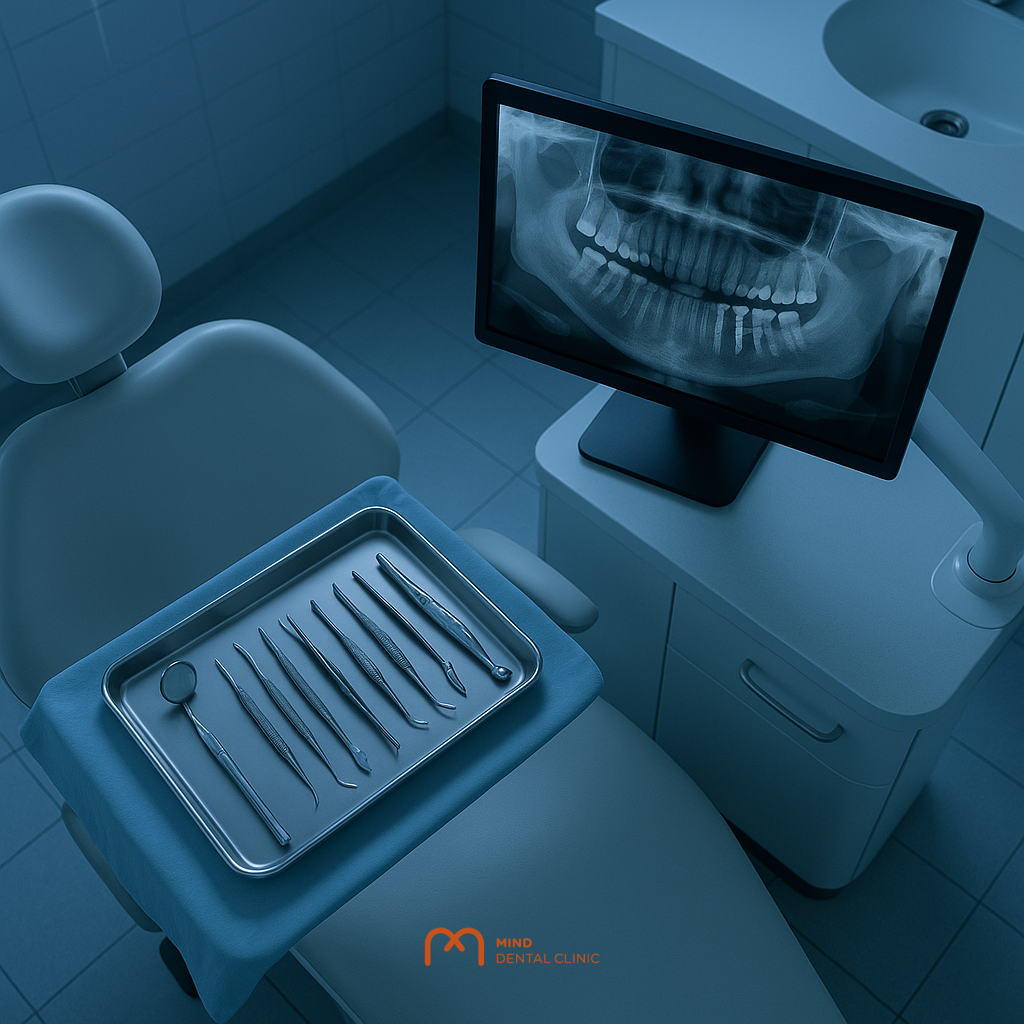
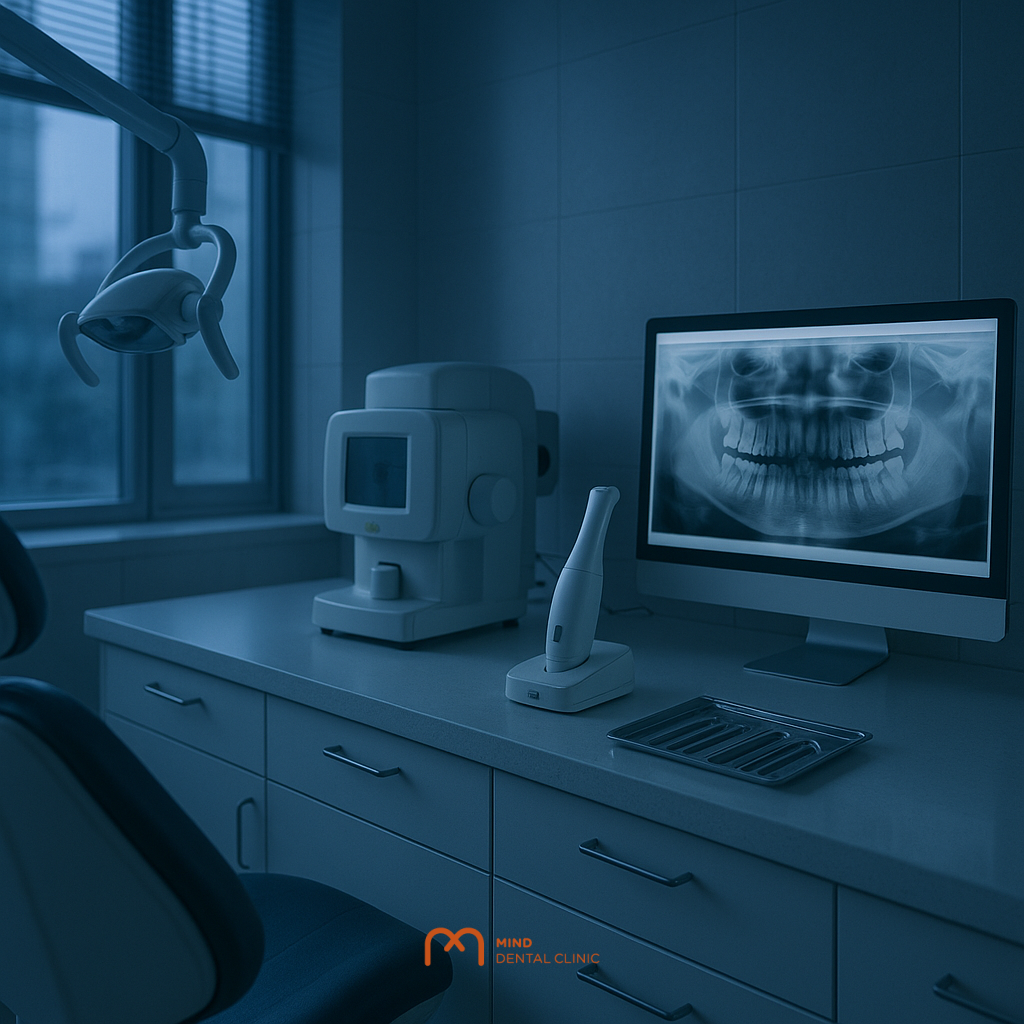
    • Examination (including X-rays if needed)
    • Explanation of the condition
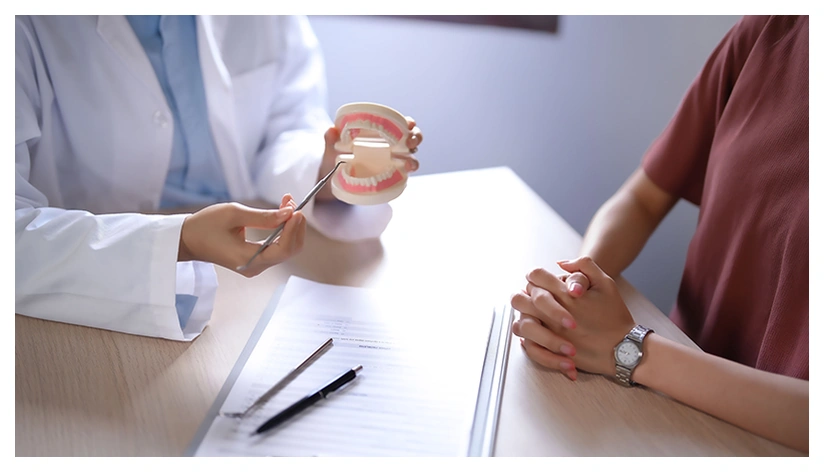
    • Discussion of treatment options

    Especially for first-time visits, ensure that consultation and diagnosis are included.

    3. Continuity of Care Beyond Sunday

    Dental treatment often requires multiple visits rather than a single session.

    If follow-up care is needed, it is essential to check:

    • Availability of weekday appointments
    • Night clinic hours
    • Continuity with the same treatment plan

    The key question is not just “Can I be treated today?”
    but “Can this treatment be continued properly afterward?”
    How to Compare Sunday Dental Clinics in Ansan Gojan-dong

    While the number of Sunday dental clinics is increasing, the quality and structure of care vary significantly.

    When comparing clinics, consider the following:

    • Scope of treatment (emergency vs general care)
    • Presence of a structured diagnostic system
    • Appointment and scheduling system
    • Possibility of follow-up treatment

    In practice, treatment quality is more important than operating hours.

    Questions to Ask Before Visiting

    A short pre-visit inquiry can provide valuable insight into the clinic’s capabilities.

    Consider asking:

    • Is cavity treatment available on Sundays?
    • Are X-rays and diagnostic evaluations provided?
    • Is same-day treatment possible?
    • Can treatment be continued on weekdays?

    These questions help assess not just availability, but also the level of care and reliability.

    Conclusion: What Truly Matters

    When choosing a Sunday dental clinic in Ansan Gojan-dong, the most important factor is not whether the clinic is open, but whether it can provide proper diagnosis and structured treatment.

    Rather than focusing on convenience alone, patients should consider:

    • Accurate diagnosis
    • Treatment planning
    • Continuity of care

    A well-structured clinical environment leads to safer and more predictable outcomes.

    #AnsanDentalClinic #SundayDentalCare #EmergencyDentalCare #DentalConsultation #DentalTreatmentGuide #GojanDongDental #WeekendDentalCare

  • [Mind Dental Clinic]Should You Go to the Dentist Immediately When a Tooth Breaks? – Based on Ansan Dental Standards

    [Mind Dental Clinic]Should You Go to the Dentist Immediately When a Tooth Breaks? – Based on Ansan Dental Standards

    [Mind Dental Clinic]Should You Go to the Dentist Immediately When a Tooth Breaks? – Based on Ansan Dental Standards

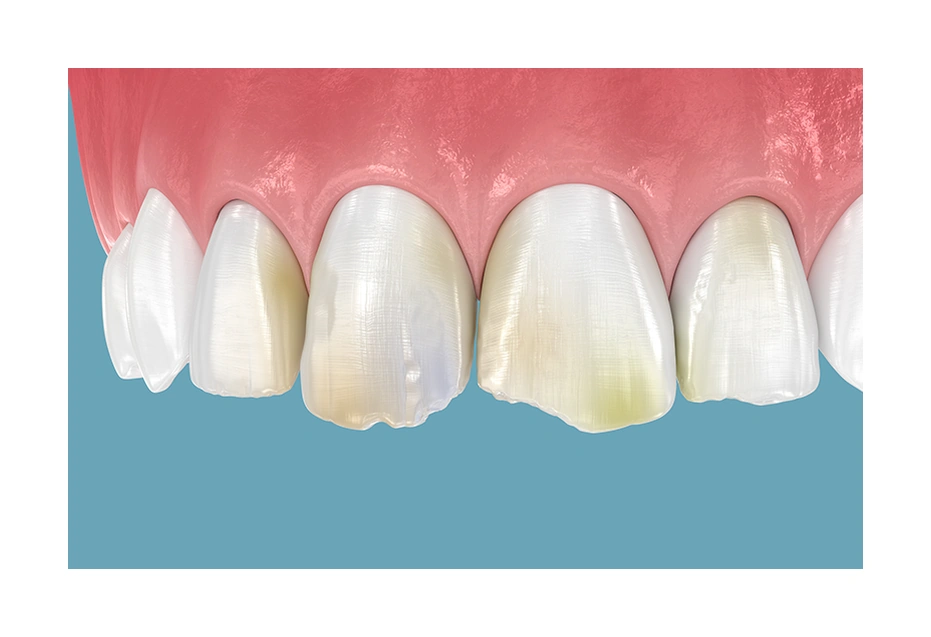
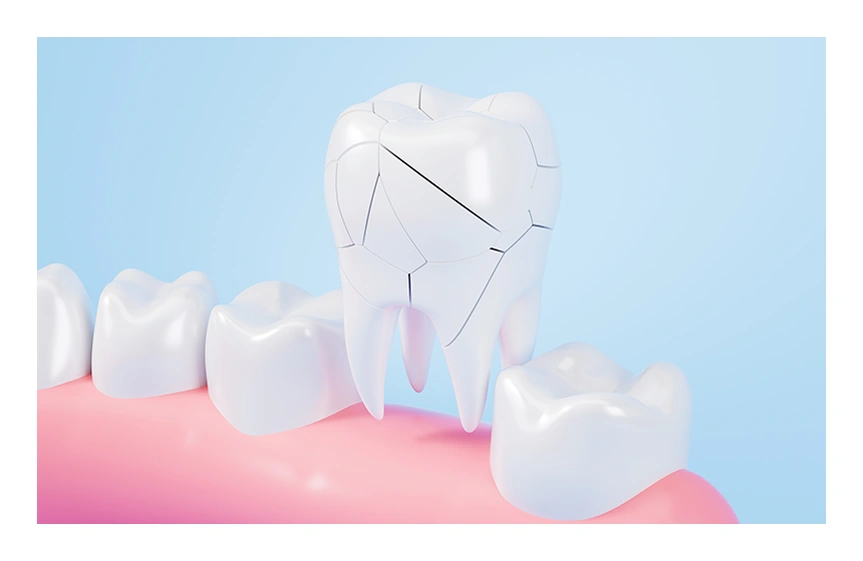
    A broken tooth can happen to anyone, and it is actually one of the most common situations encountered in dental clinics. It may occur while chewing hard foods or when a structurally weakened tooth fractures due to external impact. In particular, teeth that have undergone root canal treatment tend to be more fragile and are at a higher risk of breaking.

    From clinical experience, even when the damage appears minor on the surface, internal cracks are often present. This is why it is important not to judge the condition based solely on appearance, but to have an accurate evaluation of the tooth.

    The initial response after a tooth breaks can significantly influence the treatment outcome. If a fragment of the tooth is available, it should be kept moist and preserved. Rinsing the mouth gently and minimizing stimulation to the affected area is also recommended. Most importantly, visiting a dental clinic as soon as possible for an examination is crucial.

    Treatment varies depending on the extent of the damage. If only the enamel is affected, a simple resin restoration is often sufficient. When the dentin is involved, sensitivity may occur and additional protective treatment may be required. If the nerve is affected, root canal treatment followed by a crown may be necessary. In cases where the fracture extends to the root, preserving the tooth may be difficult, and extraction followed by prosthetic options such as implants may be considered.

    Certain symptoms require immediate attention. Persistent pain, discomfort when chewing, sharp edges, gum bleeding, or swelling may indicate deeper internal damage. In such cases, prompt diagnosis is more important than waiting to see if the condition improves.

    If a broken tooth is left untreated, cracks can worsen over time, and food debris may accumulate, leading to secondary issues such as decay. What may initially be a minor problem can develop into a more complex condition requiring extensive treatment.

    In summary, the most important factor when dealing with a broken tooth is an accurate assessment of its current condition. Regardless of the presence of pain, having the tooth examined by a dentist can help prevent further complications and reduce the overall treatment burden.

    #AnsanDentist #BrokenTooth #ToothFracture #DentalEmergency #ToothRestoration #ResinTreatment #DentalCare

  • [Mind Dental Clinic]Top 3 Most Common Dental Consultations in Ansan | Based on Ansan Jungang-dong Dental Clinics

    [Mind Dental Clinic]Top 3 Most Common Dental Consultations in Ansan | Based on Ansan Jungang-dong Dental Clinics

    When visiting a dental clinic, many patients tend to ask a similar question:
    “What treatments are most commonly performed these days?”

    In reality, rather than having one dominant treatment, dental consultations are often repeated based on each patient’s oral condition. Based on clinical experience in Ansan Jungang-dong dental clinics, here are the three most commonly discussed treatments.

    Scaling Is More Than Just Routine Cleaning

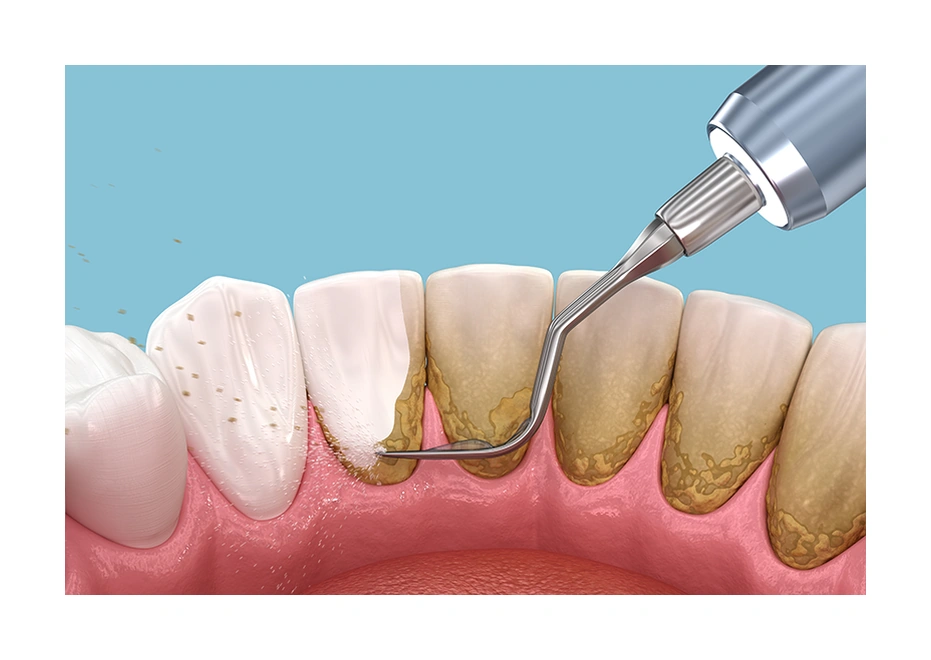
    Scaling is often considered a simple procedure to remove tartar, but it is closely linked to gum health.

    If tartar accumulates, it can lead to:

    • Gum inflammation
    • Bleeding
    • Periodontal disease

    Clinically, the recommended frequency depends on individual oral hygiene. However, it is generally advised to undergo scaling every 6 months to 1 year.
    One of the most frequently asked questions during consultations is, “How often should I get scaling?”

    Increasing Demand for Dental Implants

    In recent years, more patients are considering dental implants after tooth loss.
    While dentures and bridges were more common in the past, implants are now widely chosen for functional restoration.

    However, implants are not performed simply because a tooth is missing.
    Several factors must be evaluated, including:

    • Jawbone condition
    • Overall health
    • Oral hygiene status

    In clinical practice, dentists often prioritize explaining all available treatment options rather than immediately recommending implants.

    What Matters Most in Dental Consultations

    There is no single “correct” treatment in dentistry.
    Treatment plans vary depending on each patient’s condition.

    Therefore, the most important step is not deciding on a treatment in advance, but accurately assessing the current oral condition and understanding the appropriate treatment direction.

    The most commonly discussed treatments in Ansan dental consultations are:

    • Tooth decay treatment
    • Scaling
    • Dental implants

    However, the most critical factor is accurately evaluating your current oral health condition.

  • [Mind Dental Clinic]Implant Insights

    [Mind Dental Clinic]Implant Insights

    Dental implants have become a cornerstone in modern dentistry, offering solutions for patients with missing teeth.
    When considering full implants, especially at a Gojan-dong dental clinic, it is important to evaluate specific situations that necessitate this type of treatment.
    Understanding these scenarios can help patients make informed decisions regarding their oral health and aesthetic needs.

    One key situation that warrants the consideration of full implants is the loss of multiple teeth due to decay, injury, or periodontal disease

    When several teeth are missing, traditional options such as bridges or dentures may not provide the desired stability or comfort.
    In such cases, full implants can offer a permanent solution that mimics the function of natural teeth.
    This not only restores chewing efficiency but also prevents bone loss in the jaw, a common consequence of tooth loss.

    Another scenario to consider is when existing dental structures are compromised.
    Patients with significant wear, fractures, or advanced decay may

    find that their remaining teeth cannot support traditional restoration methods.
    In these instances, full implants could be the best route to restore both function and aesthetics.
    A thorough evaluation by a dental professional can determine if the surrounding bone structure is suitable for implant placement, ensuring long-term success.

    Finally, individuals seeking a comprehensive cosmetic upgrade may also contemplate full implants.
    For those who are dissatisfied with their smile due to gaps or
     

    misalignment, full implants can significantly improve aesthetics and self-confidence.
    Consulting with a dental expert can provide insights into the latest techniques and materials available, ultimately guiding patients toward a choice that aligns with their personal goals and lifestyle.
    By recognizing these situations, potential patients can better assess their need for full implants and proceed with confidence in their treatment decisions.

  • [Mind Dental Clinic]Understanding Dental Implants

    [Mind Dental Clinic]Understanding Dental Implants

    Dental implants have become a widely accepted solution for tooth replacement, but the complexity of the procedure can vary significantly based on several factors.
    Understanding what causes these differences in difficulty levels is crucial for both patients and practitioners.
    In Ansan, where dental implant procedures are increasingly popular, various elements contribute to the unique challenges presented by each case.

    One of the primary factors influencing the difficulty

    이미지를 불러올 수 없습니다.

    of dental implants is the patient’s oral health condition.
    The presence of periodontal disease, bone loss, or insufficient jawbone density can complicate the implantation process.
    For instance, patients with advanced gum disease may require additional treatments before they can proceed with implants.
    Moreover, the need for bone grafts or sinus lifts can add layers of complexity and extend the overall treatment timeline.

    Another significant aspect is the anatomical characteristics of the patient

    The location of the implant site, proximity to critical structures such as nerves and sinuses, and the quality of the surrounding bone all play a vital role in determining how straightforward or difficult the procedure will be.
    For example, implants in the upper jaw are often more challenging due to the sinus cavity’s proximity, which necessitates careful planning and execution.

    Finally, the experience and skill level of the dental professional also significantly impact the difficulty of the procedure

    이미지를 불러올 수 없습니다.

    A highly skilled implantologist will have a better grasp of innovative techniques and technologies that can simplify challenging cases.
    They may employ advanced imaging techniques to get a detailed view of the patient’s anatomy, allowing for precise planning.
    Ensuring that you consult with a qualified professional is essential for optimizing outcomes and minimizing complications during the implant procedure.

  • [Mind Dental Clinic]High-Difficulty Implants Explained

    [Mind Dental Clinic]High-Difficulty Implants Explained

    [Mind Dental Clinic]High-Difficulty Implants Explained

    In the field of dental implants, the necessity for high-difficulty implants arises under specific circumstances, particularly in areas like Gojan-dong where bone condition can be a significant factor.
    Many patients may find themselves asking, ‘When is a high-difficulty implant procedure necessary?’ This inquiry often stems from concerns about bone density, quality, and the timing of treatment.
    Understanding these elements can help both patients and healthcare professionals make informed decisions regarding dental restoration.

    Bone condition is a critical determinant in evaluating the need for high-difficulty implants

    Patients suffering from conditions such as severe bone loss due to periodontal disease or trauma may require a more complex approach.
    For instance, consider a patient in Gojan-dong who previously lost a tooth due to an accident.
    Upon examination, it was found that the surrounding bone had significantly deteriorated.
    In such cases, a high-difficulty implant may be necessary to ensure stable support for the new tooth.
    This process often involves additional procedures, such as bone grafting, to enhance the bone structure before placing the implant.

    Another aspect to consider is the timing of the treatment

    Delaying an implant procedure in cases of bone loss can lead to further complications, making the situation more challenging over time.
    For example, a patient who waited too long after a tooth extraction found that their bone had further degraded, leading to the need for extensive grafting and a high-difficulty implant.
    Experts recommend that patients seek consultation soon after tooth loss to assess their bone condition and explore timely treatment options.
    By doing so, they can potentially avoid more complex procedures in the future.

    Moreover, it’s essential for patients to engage in discussions with

    블로그 이미지

    their dental professionals about their unique situations.
    Each case of potential high-difficulty implants can vary significantly based on individual health factors, lifestyle, and treatment goals.
    Healthcare providers in Gojan-dong can offer tailored advice based on a thorough examination and diagnostic imaging.
    This ensures that patients understand their options, including whether simpler procedures could suffice or if a high-difficulty implant is indeed the best path forward.
    By considering these factors, patients are better equipped to make educated decisions about their dental health.

  • [Mind Dental Clinic]Essential Ansan Laminate Tips

    [Mind Dental Clinic]Essential Ansan Laminate Tips

    [Mind Dental Clinic]Essential Ansan Laminate Tips

    When considering the cost of laminate for dental procedures, particularly in Ansan, there are several critical factors to evaluate before consulting with a professional.
    Understanding these elements not only aids in realistic budgeting but also enhances the overall decision-making process.
    Dental laminates are a popular cosmetic choice for many seeking to improve their smile, but the associated costs can vary significantly based on several key considerations

    블로그 이미지

    One of the first aspects to investigate is the type of laminate being considered.
    There are various materials available, such as porcelain and composite resin, each with its own cost implications and aesthetic results.
    Porcelain laminates tend to be more expensive due to their durability and natural appearance, while composite options are generally more affordable but may require more maintenance over time.
    Therefore, knowing the specific type you are interested in can help streamline your consultation

    Another important factor is the dental professional’s experience and expertise.
    The cost of laminate procedures can vary widely depending on the practitioner’s qualifications, training, and reputation.
    It is advisable to research potential dentists, read reviews, and possibly seek recommendations.
    A highly skilled professional may charge more, but their expertise can lead to better outcomes, making it a worthwhile investment in the long run

    블로그 이미지

    Lastly, consider the overall treatment plan and any additional services that may be necessary prior to getting laminates.
    This could include teeth whitening, orthodontic adjustments, or other preparatory treatments that can influence the final cost.
    By preparing a list of questions regarding these factors, you can facilitate a more informative consultation, ultimately leading to a more satisfying and economically sound decision regarding your dental care.

  • [Mind Dental Clinic]Dental Care Steps

    [Mind Dental Clinic]Dental Care Steps

    [Mind Dental Clinic]Dental Care Steps

    Understanding the process for dental treatment at a clinic can significantly enhance a patient’s experience and ensure they receive the necessary care without unnecessary stress.
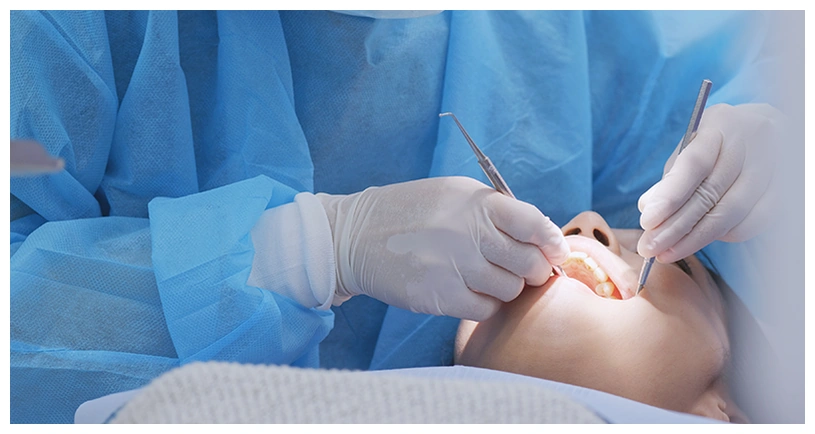
    At a facility like the Ansan Gojan-dong Dental Clinic, the process typically begins with an initial consultation where the dentist evaluates the patient’s dental health.
    During this stage, patients are encouraged to discuss their dental concerns and any specific issues they are experiencing.
    This open communication allows the dentist to tailor their approach and

    블로그 이미지

    develop a personalized treatment plan based on the patient’s needs.

    Following the consultation, a comprehensive examination is conducted.
    This may involve X-rays, intraoral photographs, or other diagnostic tools to gather detailed information about the patient’s oral health.
    The dentist will assess not only the visible issues but also underlying conditions that may not be immediately apparent.
    This thorough assessment is critical in formulating an effective treatment strategy that addresses both immediate concerns and long-term dental health

    Once the assessment is complete, the dentist will present the treatment options available.
    Patients are usually given a clear explanation of each option, including the benefits, risks, and costs associated with the treatments.
    This transparency is essential for informed decision-making.
    Patients can also inquire about alternative treatments and their potential outcomes, fostering a collaborative atmosphere where both the dentist and patient work towards optimal oral health outcomes.

    After deciding on a treatment plan, patients will schedule their procedures

    블로그 이미지

    The clinic typically follows up with reminders and additional instructions to ensure patients are well-prepared for their appointments.
    Post-treatment care is equally important, and the clinic often provides guidance on recovery and maintenance strategies to prevent future issues.
    This holistic approach not only addresses current dental problems but also emphasizes ongoing oral health management, ensuring that patients leave the clinic with a clear understanding of their care and follow-up needs.

  • [Mind Dental Clinic]Ansan Cavity Care

    [Mind Dental Clinic]Ansan Cavity Care

    [Mind Dental Clinic]Ansan Cavity Care

    Cavity treatment is a critical aspect of dental health that often goes overlooked, especially when there is no immediate pain or discomfort.
    Many individuals mistakenly believe that the absence of symptoms equates to the absence of problems.
    This perspective can lead to serious dental issues down the line.
    Regular check-ups, even in the absence of pain, can help identify cavities early, preventing more extensive treatments and ensuring overall oral health

    블로그 이미지

    One common mistake dentists encounter is the tendency to delay dental visits until pain becomes unbearable.
    By this point, the cavity may have progressed significantly, potentially leading to root canals or even tooth loss.
    The reality is that cavities can develop quietly, without noticeable symptoms, making regular dental examinations essential.
    During these visits, dentists can utilize X-rays and visual inspections to spot early signs of decay that patients may not recognize

    Another crucial point to consider is the misconception that a healthy diet alone can prevent cavities.
    While good nutrition plays a vital role in oral health, other factors like oral hygiene practices, genetics, and even lifestyle choices can contribute to cavity formation.
    Individuals are often unaware that certain habits, such as frequent snacking or improper brushing techniques, can increase their risk for cavities.
    Therefore, combining a balanced diet with effective brushing and flossing routines

    블로그 이미지

    is imperative to maintain healthy teeth and gums.

    In Ansan, where access to dental care is relatively straightforward, taking advantage of these services is crucial.
    Regular check-ups not only allow for early detection of cavities but also provide an opportunity for professional cleaning and personalized oral health advice.
    By prioritizing dental visits, even when there is no pain, individuals can safeguard their oral health and avoid more significant issues in the future.
    Remember, prevention is always more effective and less costly than treatment.

  • [MIND DENTAL CLINIC]Gum Health Tips

    [MIND DENTAL CLINIC]Gum Health Tips

    [MIND DENTAL CLINIC]Gum Health Tips

    Gum health is an essential aspect of overall dental care, yet many individuals overlook it until problems arise.
    If you notice that your gums are not receding but rather remain swollen or tender, it is crucial to understand when to seek professional advice.
    This guide will help you identify key indicators for gum checks and provide practical steps to ensure your gum health is properly managed.

    First, it is essential to recognize the signs that warrant a visit to a dental professional

    블로그 이미지

    If your gums bleed during brushing or flossing, or if you experience persistent bad breath, these symptoms should not be ignored.
    Both indicate that there may be underlying issues such as gingivitis or periodontal disease that require immediate attention.
    Additionally, if your gums have a swollen appearance or if you notice pockets forming between your gums and teeth, it is advisable to schedule an appointment with a dentist.

    Next, understanding the frequency of dental check-ups is vital for maintaining gum health

    Generally, it is recommended to visit your dentist every six months for a routine check-up and cleaning.
    However, if you have existing gum issues or a history of gum disease, more frequent visits may be necessary.
    Your dentist can provide a personalized schedule based on your specific needs and oral health conditions.
    Keeping track of your gum health can help preempt more severe issues down the line.

    Lastly, incorporating good oral hygiene practices at home is crucial in managing your gum health

    블로그 이미지

    Make sure to brush your teeth at least twice a day with a fluoride toothpaste and floss daily to remove plaque buildup.
    Consider using an antibacterial mouthwash to reduce bacteria that cause gum disease.
    Additionally, a balanced diet rich in vitamins and minerals can promote healthy gums.
    Foods high in vitamin C, such as oranges and strawberries, can help strengthen gum tissue and combat inflammation.
    Regularly monitoring your gum health and making proactive choices can significantly contribute to your overall dental well-being.